01
Materials
We read the technique and the difficulty of the picture, then name what it can actually be painted with: paints, brush numbers, paper weight or canvas size. A shopping list for this painting, not a general list of what an artist owns.
Upload a picture you want to paint. We take it apart into materials, construction, colour and the last few touches — then walk the whole way through it with you.
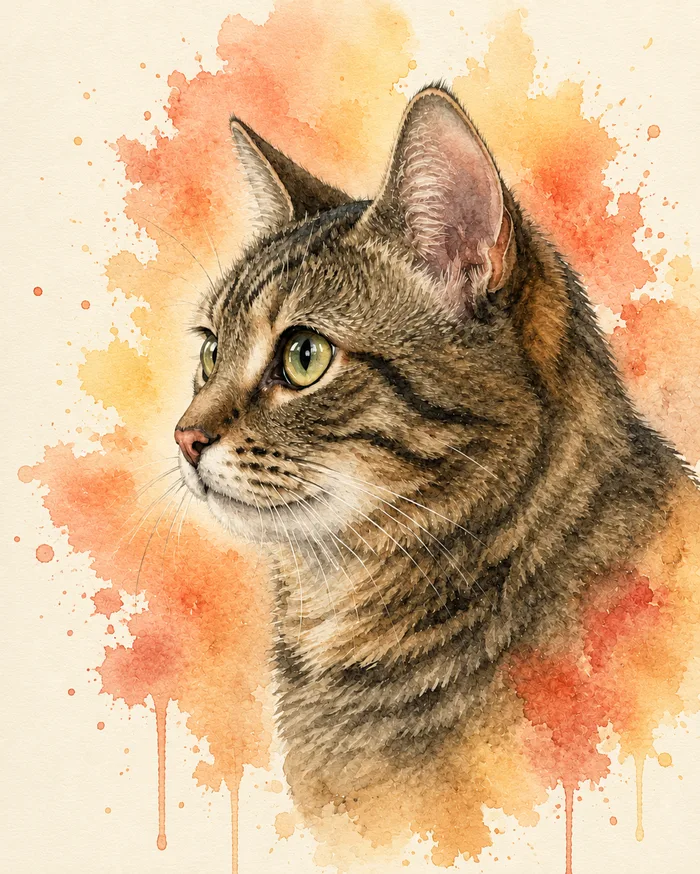
You upload the picture you want to paint and choose who leads the session — a strict master, a warm teacher, or someone in between. Paintredo takes the picture apart into phases and walks you through them in order: materials, construction, colour and the last few touches. Each step tells you what to do now, what to watch for while you do it, and what not to touch yet — and at any point you can ask a question or send a photo of your own work and get told what to fix.
We read the technique and the difficulty of the picture, then name what it can actually be painted with: paints, brush numbers, paper weight or canvas size. A shopping list for this painting, not a general list of what an artist owns.
Where the image sits on the sheet: the horizon line, the big masses, the proportions — and only then the detail. Each step is explained before you draw it, including where people usually go wrong on a picture like this one.
The painting broken into the shades it needs, each one shown next to its name. If a colour is not normally in a set, you get what to mix it from and in what ratio — plus what to lay down first and what to leave white.
The shortest phase: two or three touches after which the work comes alive. A single point of white in an eye, the brightest spark on water, one last dark accent deep in a fold. Which ones depends on the painting.
The same honest reading of the same picture, in four different voices. The tone changes the wording and nothing else — the difficulty is still called honestly, a mistake is still called a mistake, and the advice still comes with brush numbers and ratios. You choose before the breakdown starts and can change your mind on the next one.
Even, to the point, no wasted words
“Put the horizon a little above the middle — that keeps the background from swallowing the front.”
Demanding, keeps the pace, does not praise for free
“Three tries at that line, not twenty. Your hand should know where it is going.”
Encourages, reassures, and will not let you quit
“What a confident outline! Now one small thing and it gets better still.”
Jokes, takes the fear out, keeps things moving
“The sky is not a blue bedsheet — it is darker at the top. Five minutes and you cannot unsee it.”Every step of the breakdown has a chat with your mentor docked at the bottom of the screen. Ask in your own words what is not working, and the answer accounts for the step you are standing on — including what you are supposed to be ignoring for now. Attach a photo of your own work and the mentor reads that instead of guessing.
You do not have to describe the problem well. “Why does this look flat” is a question the mentor can answer, because it can see both the reference and the photo of what you have painted so far — and it knows which step you are on, so it will not send you running ahead into work that belongs three steps later.
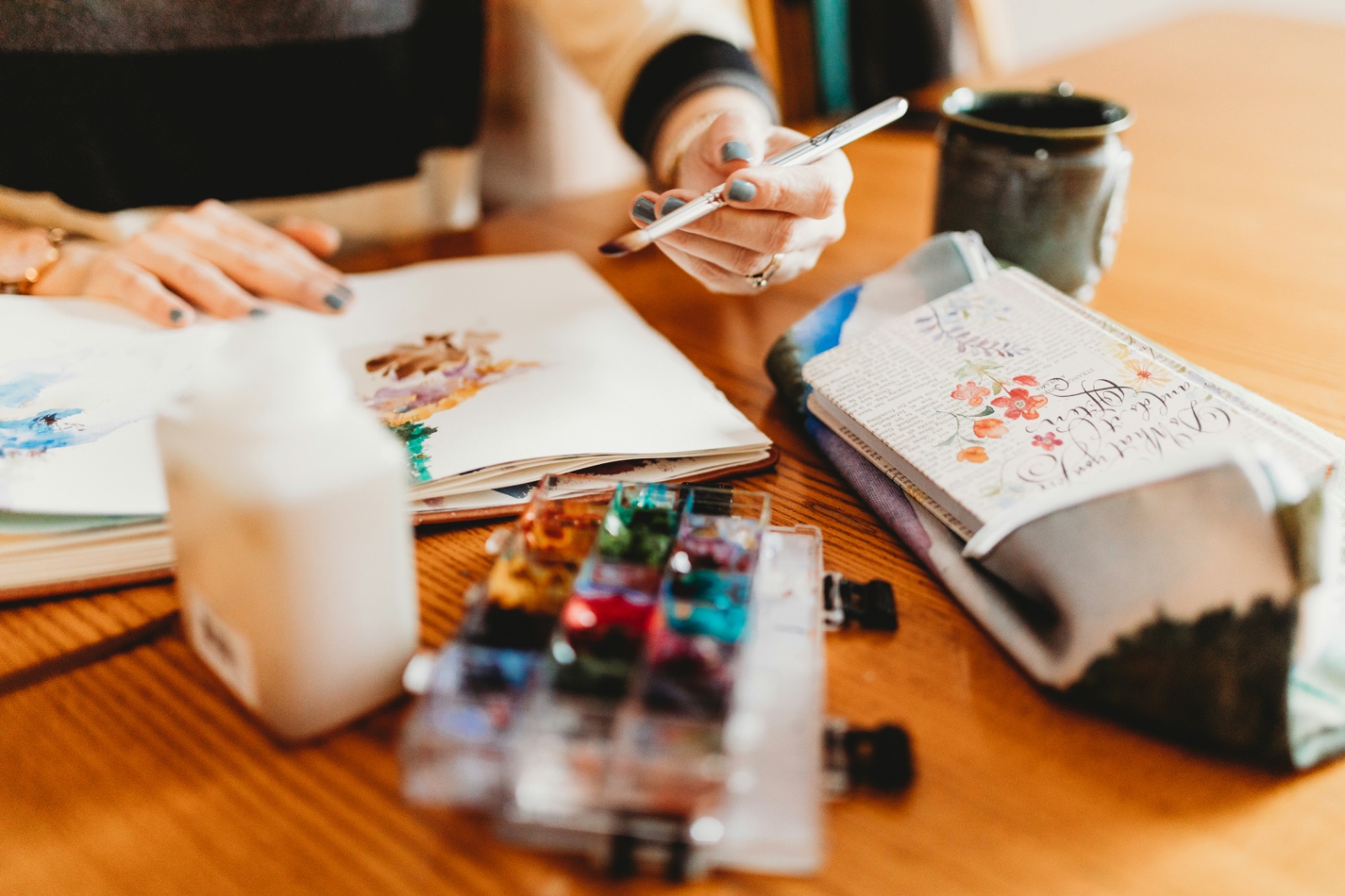
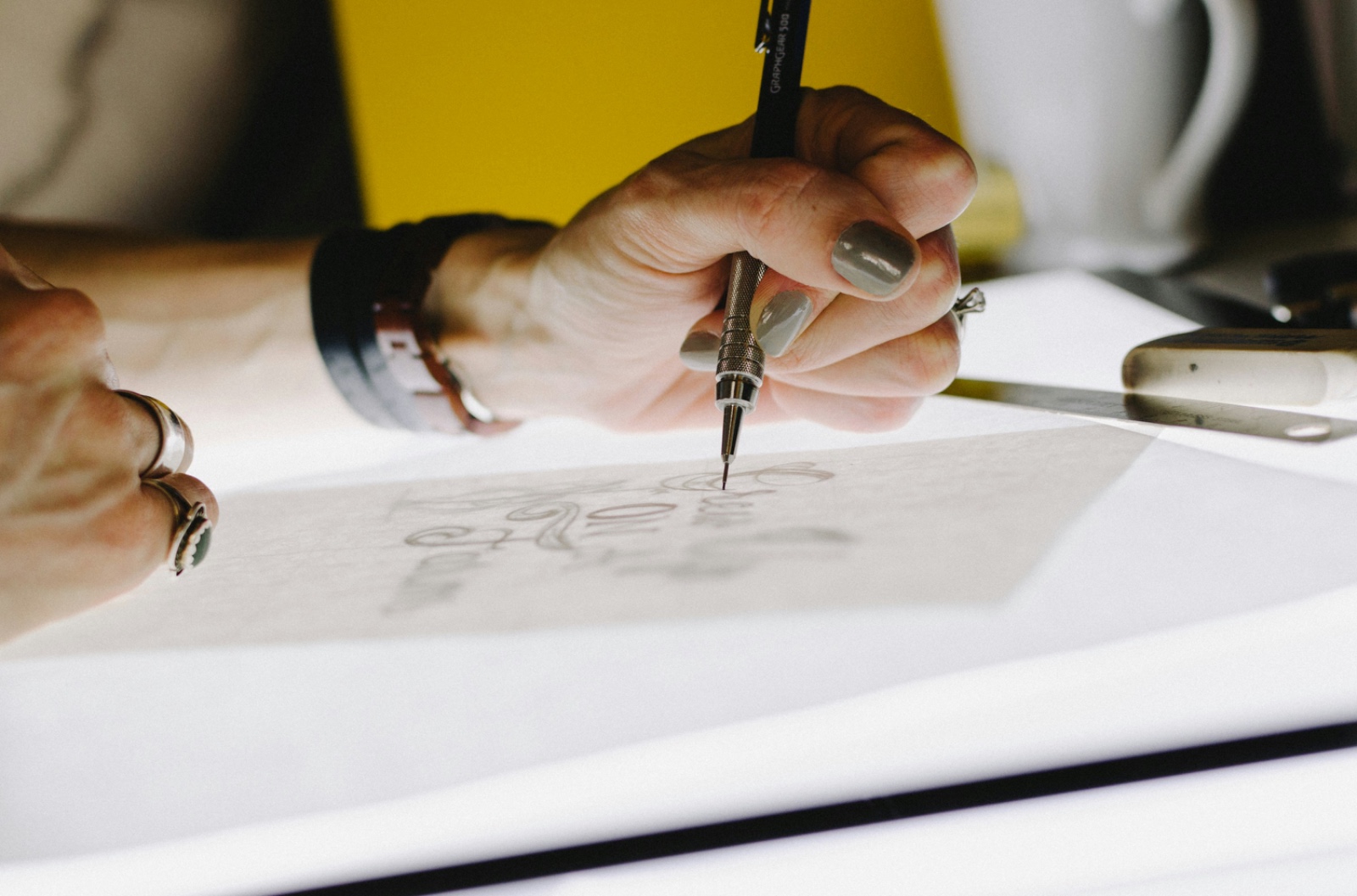
For people who want to paint one particular picture rather than take a course from scratch. Paintredo assumes no art training and no vocabulary: everything is explained as it comes up, in plain words.
What other people got out of it — from the first line to the final layer.